AI in Photography?!
AI in photography has brought about significant advancements and capabilities, but it also poses some challenges. You know me, Mom of 5, Wonder Woman of the Universe... I need a good pros and cons list.
Pros:
- Automated Image Enhancement: AI algorithms can automatically enhance and optimize images by adjusting brightness, contrast, color balance, and other parameters. This can save time for photographers, especially when dealing with large numbers of images.
- Object Recognition and Tagging: AI can analyze images to recognize objects, scenes, and people, enabling automatic tagging and categorization. This helps in organizing and searching through large photo libraries efficiently.
- Intelligent Auto Modes: Many cameras and smartphones now feature AI-powered auto modes that can identify scenes and adjust settings accordingly. This simplifies the process for novice photographers, allowing them to capture better images without extensive technical knowledge.
- Noise Reduction and Image Restoration: AI algorithms can effectively reduce noise, remove artifacts, and restore details in images. This is particularly useful in low-light conditions or when working with old or damaged photographs.
- Deep Learning-Based Editing Tools: AI-powered photo editing software can generate realistic effects, manipulate images, and apply artistic styles based on deep learning algorithms. This expands creative possibilities for photographers and allows for quick experimentation.
Cons:
- Lack of Artistic Judgment: While AI can enhance images and offer creative suggestions, it lacks the nuanced artistic judgment of a human photographer. It may not fully understand the intent behind a photograph or make subjective decisions about composition and aesthetics.
- Overreliance on Automation: Depending too heavily on AI's automated features can lead to a loss of creative control and personal touch. Relying solely on AI to edit or compose images may result in a generic and homogeneous look, lacking individuality and style.
- Ethical and Privacy Concerns: AI-powered facial recognition and object recognition algorithms raise concerns about privacy and security. If used irresponsibly, AI can infringe on individuals' rights, invade their privacy, or perpetuate biases if the training data is biased.
- Learning Curve and Dependency: To fully utilize AI tools in photography, photographers need to invest time in understanding the technology and its intricacies. This can create a dependency on AI algorithms and limit photographers' ability to develop their own skills and artistic vision.
- Computational Requirements: Some AI algorithms used in photography require substantial computational power, making them inaccessible to photographers with limited resources. This can create a technological barrier, preventing wider adoption or limiting real-time processing on certain devices.
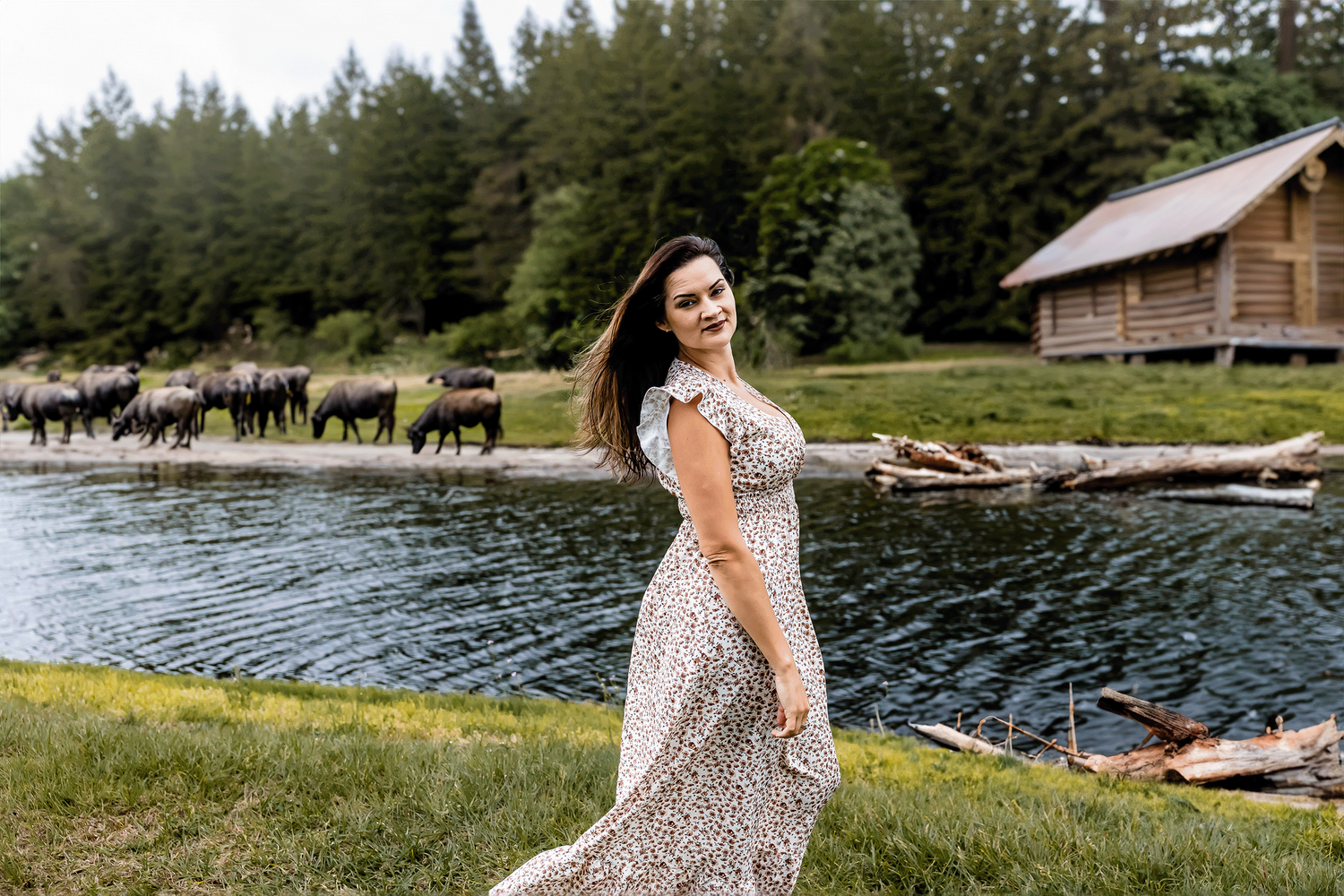
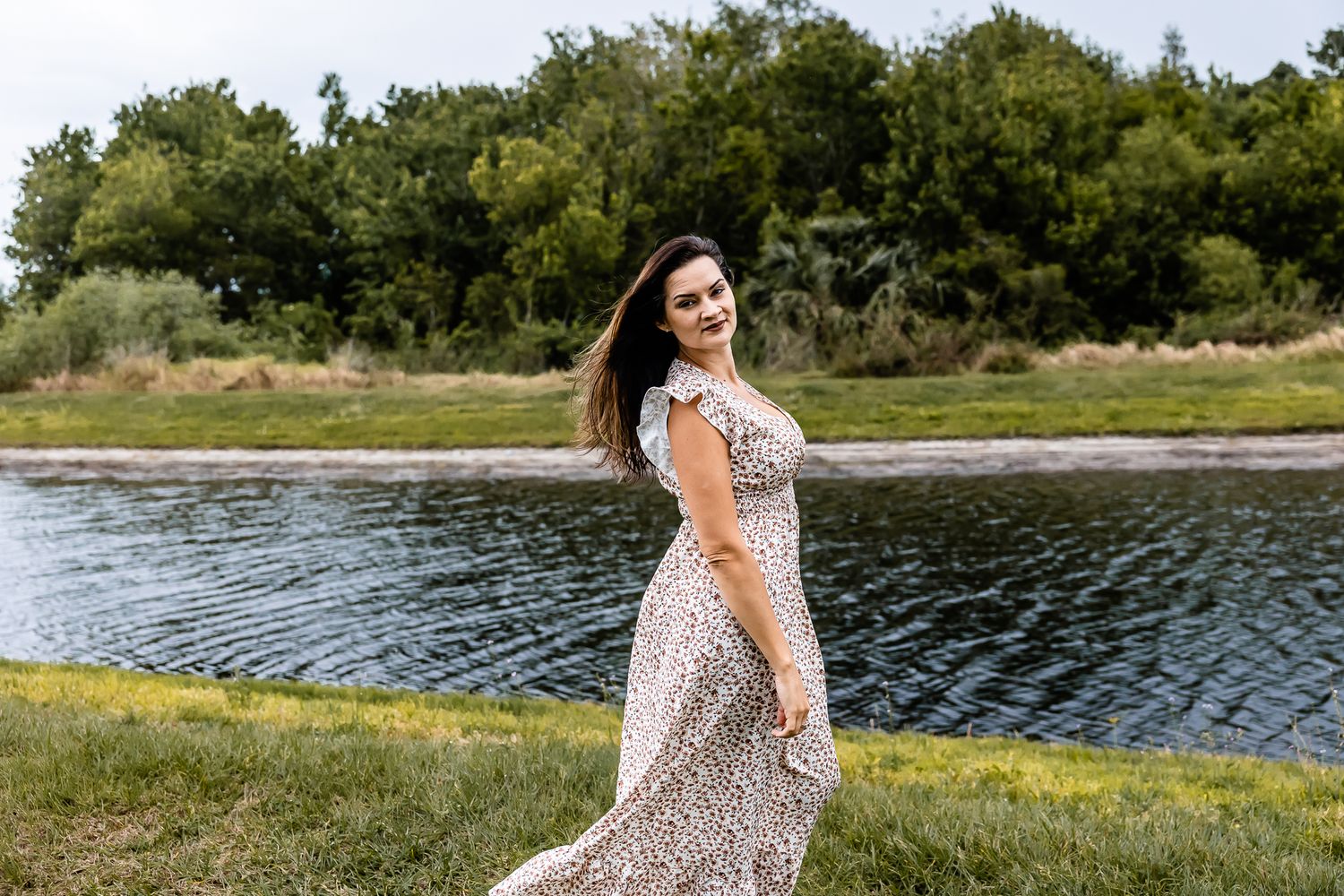
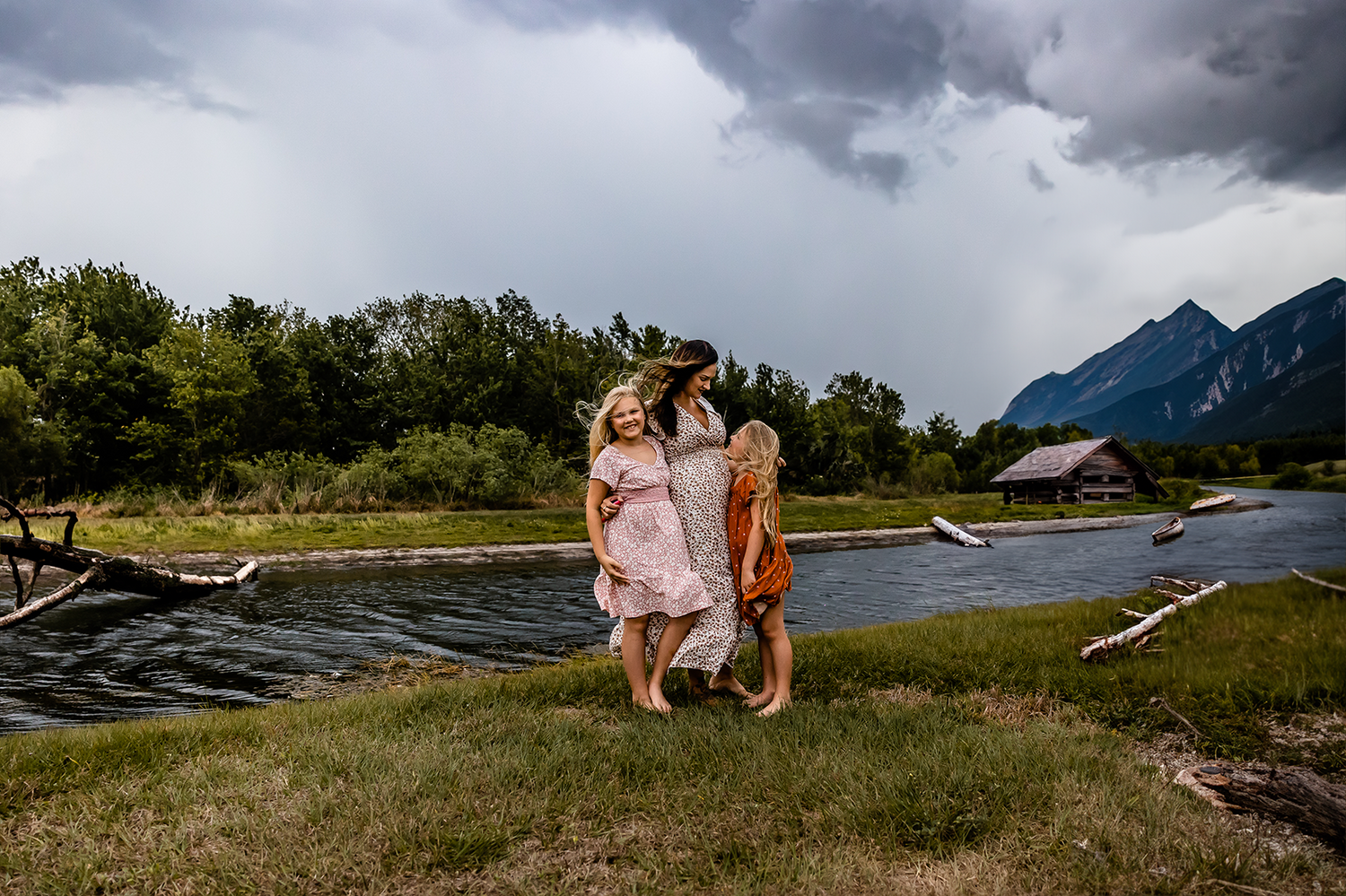
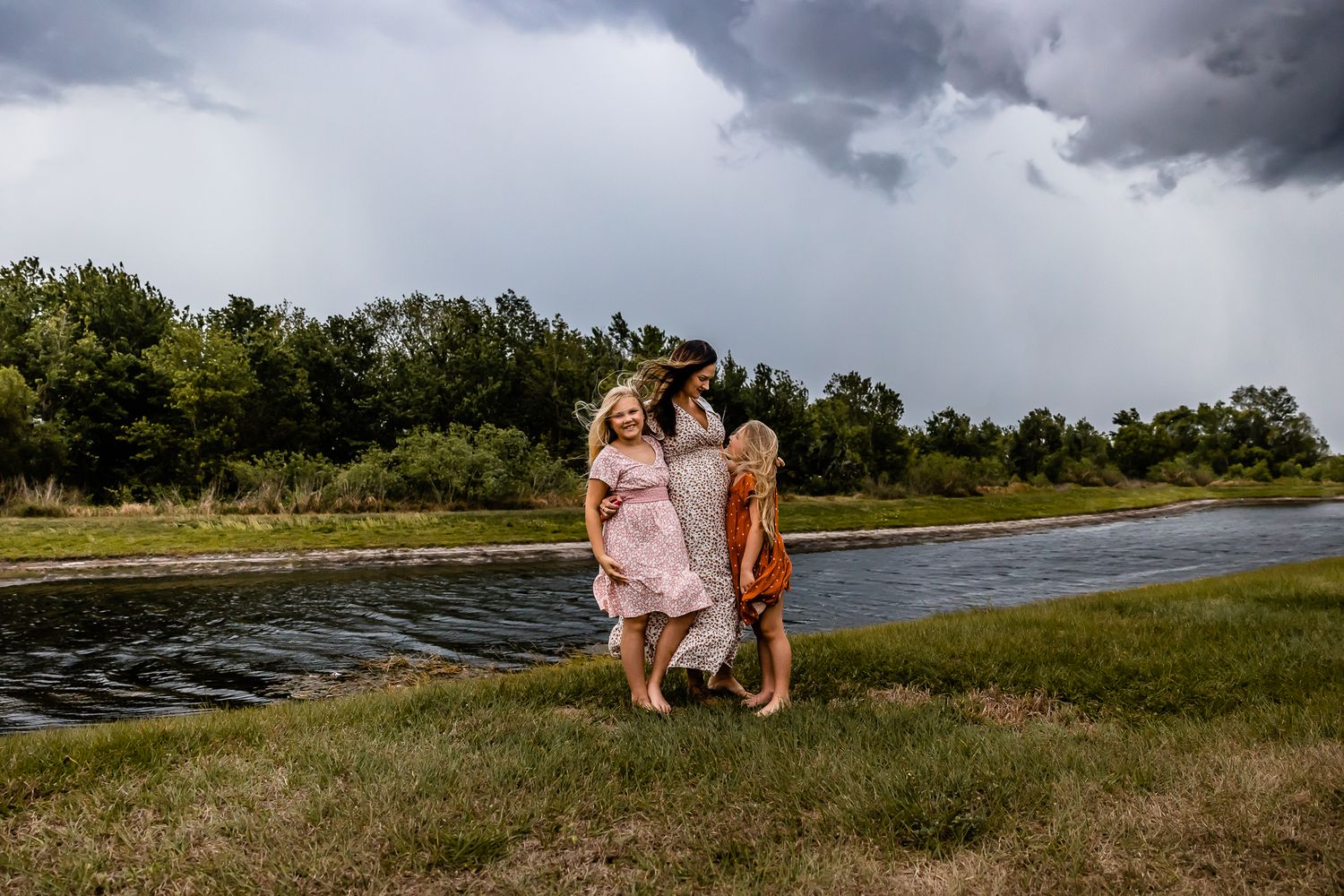
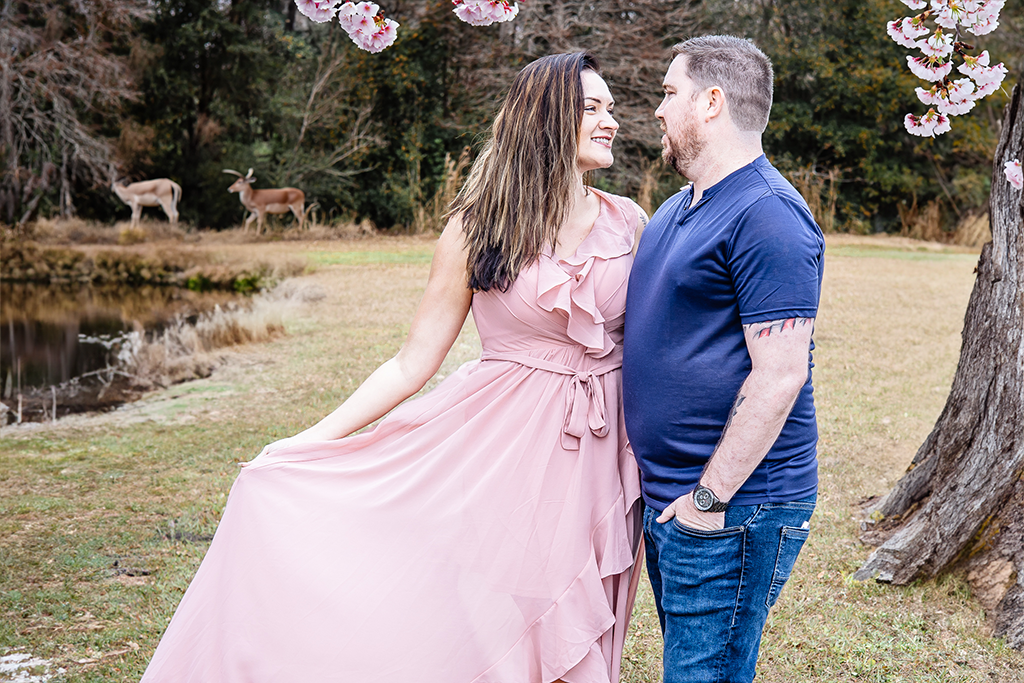
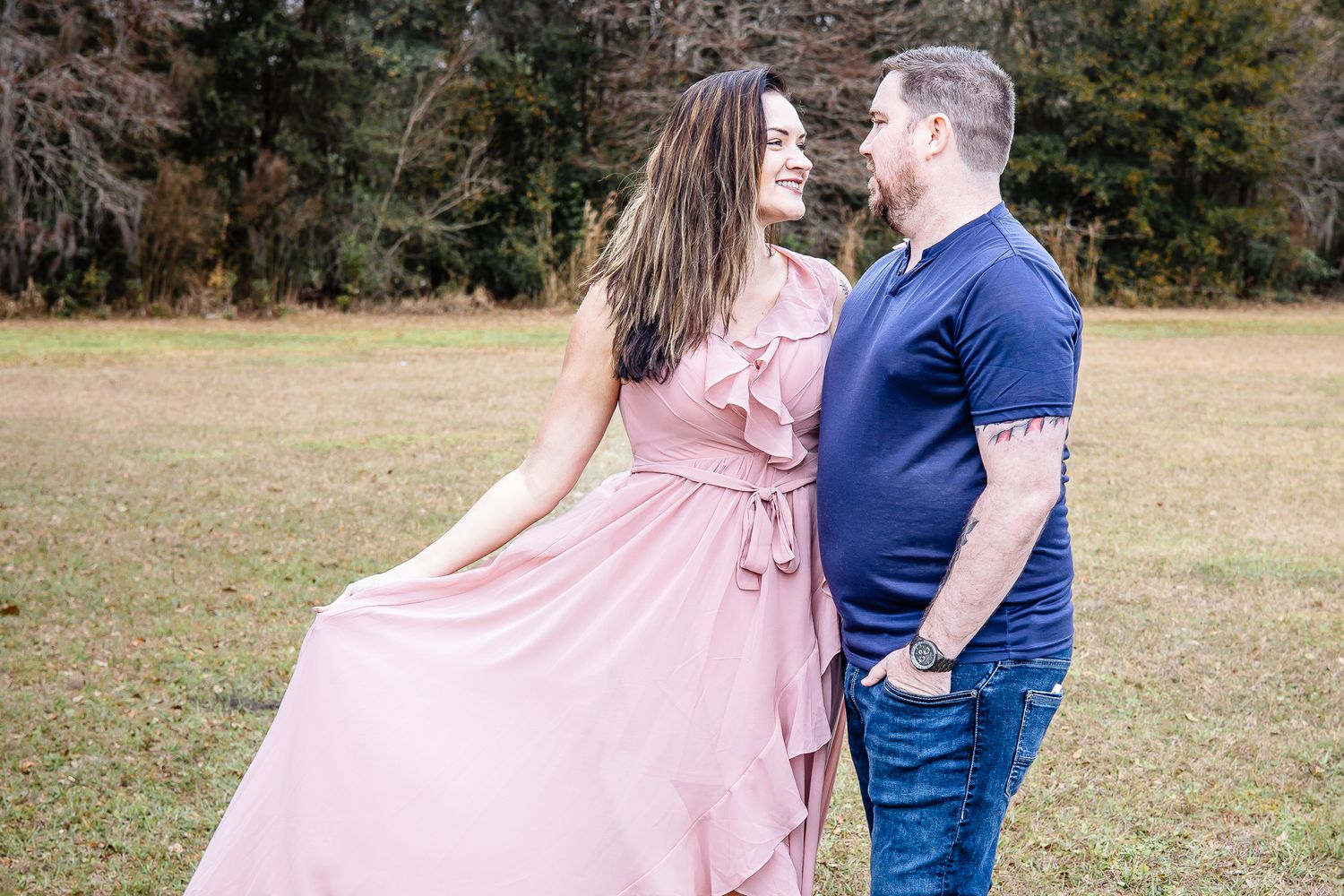
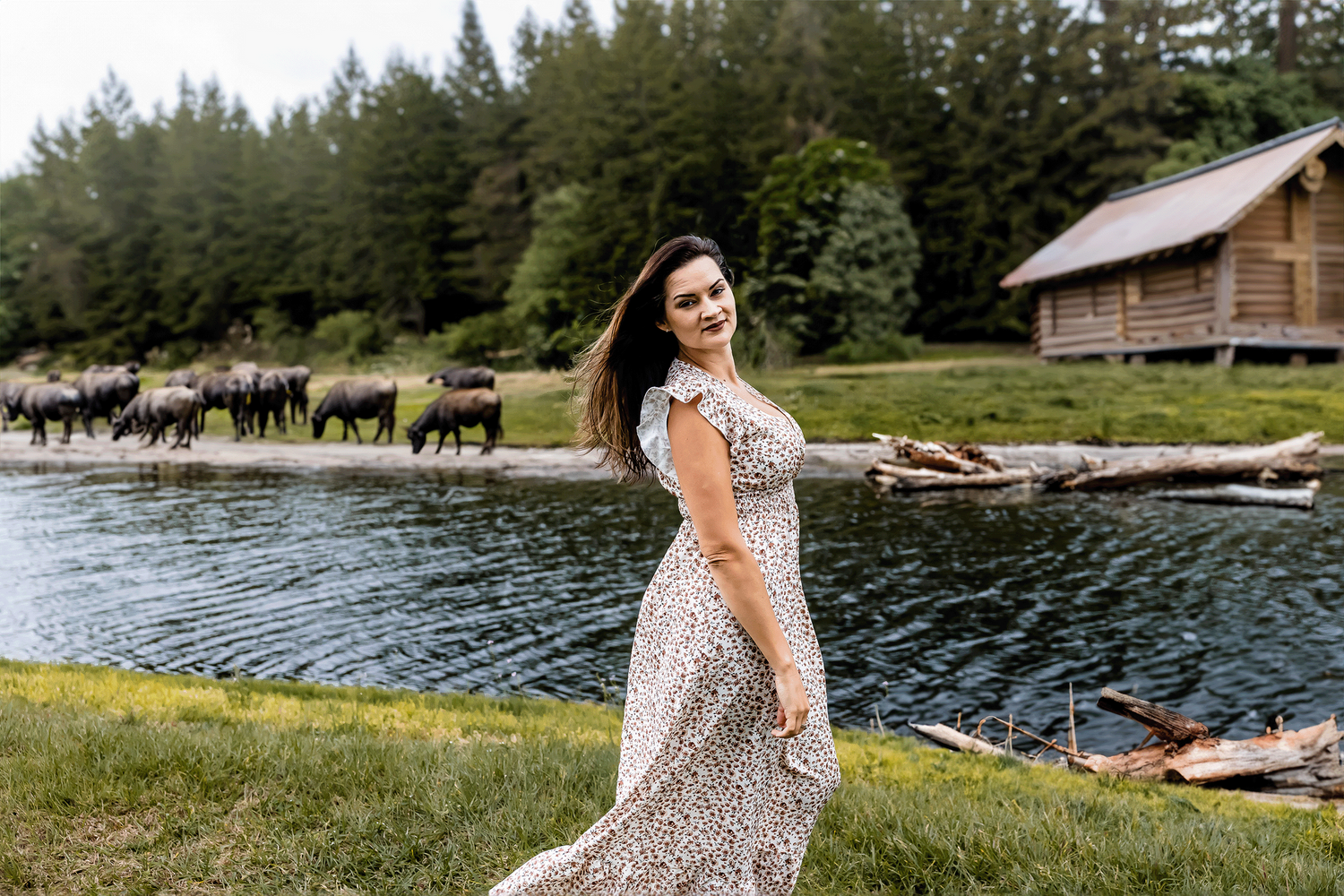
Let's check out some AI versions / Originals.